Plumbing Code Compliance NY: What Homeowners and Contractors Should Know
Why the Plumbing Code Matters More Than You Think
If you have ever watched a plumber snake a drain or swap out a water heater, you might assume the job is mostly muscle and know-how. But behind every clean joint and properly pitched pipe lies a dense set of rules that dictate how water moves through a building. In New York, those rules are not optional. They exist to protect you, your neighbors, and the people who will live in that building decades from now. Understanding plumbing code compliance ny is not just for licensed professionals. Homeowners who ignore it can end up with costly repairs, failed inspections, and even legal trouble.
The code is not a single document either. New York City adopts its own plumbing code, which aligns with the International Plumbing Code but includes local amendments. That means what works in Buffalo or Albany might not fly in Manhattan. The city's Department of Buildings enforces these standards, and they pay close attention to things like venting, backflow prevention, and pipe materials. If you are planning a renovation, a new bathroom, or even a simple water heater replacement, the code will shape every decision you make.
Common Code Violations I See on the Job
After more than two decades in the trade, I have walked into plenty of apartments where the previous work looked fine at first glance. Then you open a ceiling panel and find a vent pipe that dead-ends into a wall cavity. Or a trap that is not vented at all. These are not just aesthetic problems. They cause sewer gas to seep into living spaces, gurgling drains, and slow water flow. Most homeowners never realize how much of their comfort depends on proper venting until it fails.
Another frequent issue is the use of the wrong pipe material. Some older buildings still have galvanized steel supply lines that are corroding from the inside. Others have CPVC that was not rated for hot water use. When I see these, I know the work was done without a permit or by someone who skipped the code book. The result is often a leak behind a wall that goes undetected for weeks. By the time it shows up as a stain on the ceiling, the damage is already done.
Backflow prevention is another area where I see shortcuts. The code requires specific devices to keep contaminated water from flowing back into the potable supply. A garden hose attached to a spigot without a vacuum breaker can siphon chemicals from a bucket into the drinking water. It sounds paranoid, but it happens. The code exists because someone, somewhere, once got sick from exactly that scenario.
How to Approach a Renovation with the Code in Mind
If you are hiring a contractor, do not just ask for a price. Ask about permits and inspections. A reputable plumber will pull a permit for any job that requires one, and they will schedule the necessary inspections. In New York, that often means the Department of Buildings has to sign off on the rough-in before the walls are closed. Skipping that step can haunt you later, especially if you try to sell the property. Buyers and their attorneys will ask for proof that the work was done legally.
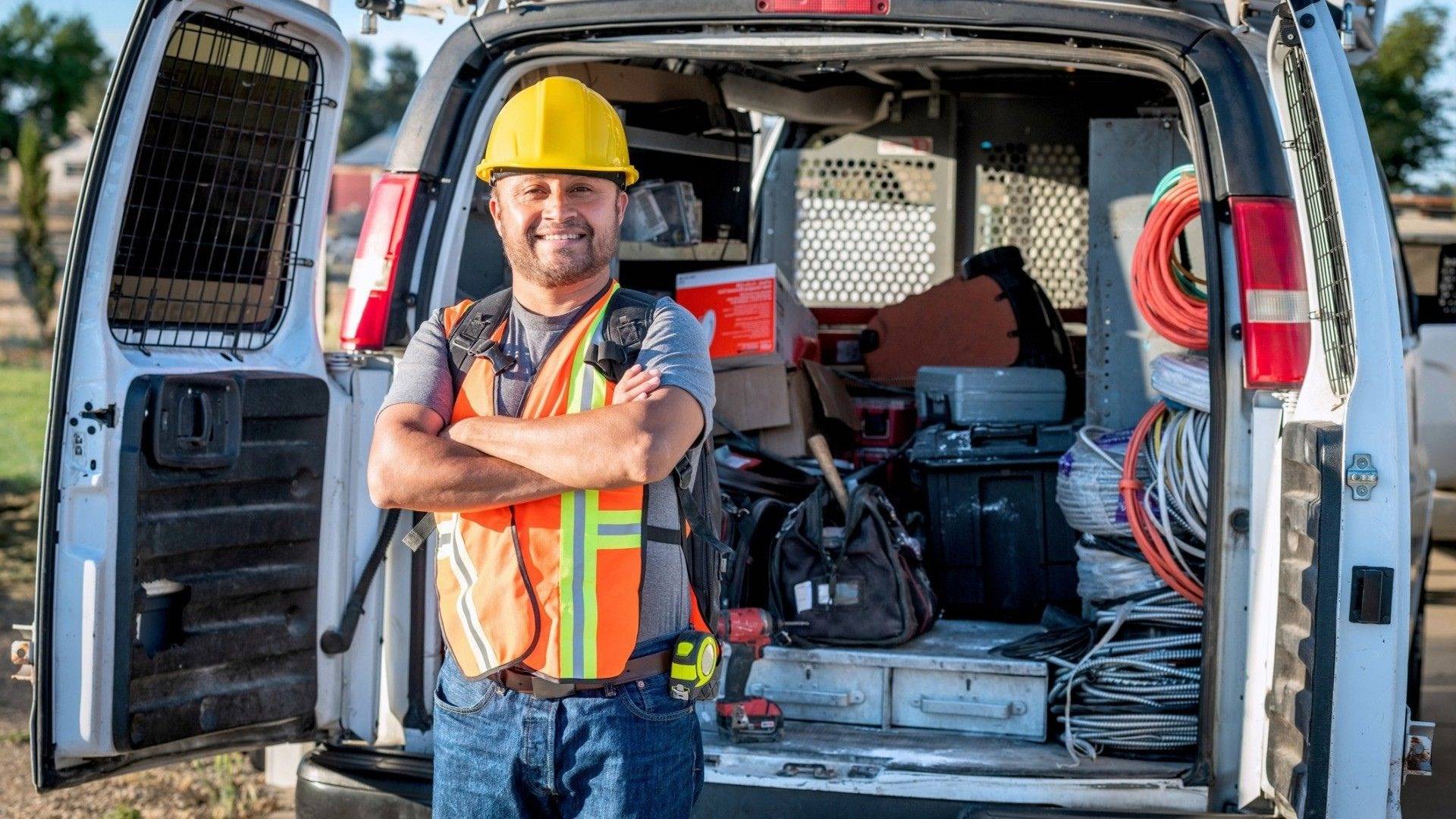
You should also ask about the specific code requirements for your project. A bathroom remodel in a prewar co-op may need different venting than a new construction condo. The code addresses things like trap arm length, fixture unit counts, and the slope of drain lines. These are not arbitrary numbers. They are the result of decades of engineering and real-world failures. When a plumber tells you that a pipe needs to drop a quarter inch per foot, they are not being fussy. They are following the code so the waste actually flows.
One thing I always tell clients is to get everything in writing. That includes the scope of work, the materials to be used, and the agreed-upon permits. If a contractor says you do not need a permit for a water heater swap, get a second opinion. In most cases, you do. The code is not a suggestion, and the penalties for ignoring it can be steep. Fines, stop-work orders, and even the requirement to tear out finished work are all real possibilities.
The Role of Inspections in Plumbing Code Compliance NY
Inspections are where the rubber meets the road. A good inspector is not your enemy. They are the last line of defense between you and a hidden leak or a gas hazard. In New York, inspections are typically required at several stages. The rough-in inspection happens after the pipes are run but before the walls are closed. The final inspection happens after the fixtures are installed and everything is connected. Some projects also need a separate inspection for gas piping or backflow prevention devices.
I have seen homeowners try to schedule inspections themselves, thinking it will save time. It usually does not. The process can be confusing, with specific forms and fees and windows of availability. A licensed plumber knows the local procedures and can save you a headache. They also know what the inspector is looking for, so they can correct small issues before the inspector even sees them. That is part of what you pay for when you hire a professional.
One thing to remember is that plumbing code compliance ny is not a one-time event. If you alter a bathroom years later, the new work must also meet the current code. The code changes over time, and what was acceptable in 2005 may not be today. For example, the rules around low-flow fixtures have gotten stricter. A toilet from 1995 might use four gallons per flush, but the code now requires something closer to 1.28. If you are renovating, you will need to bring the fixtures up to current standards, even if the old ones still work.
What Happens When the Code Is Ignored?
Ignoring the code can lead to problems that go far beyond a failed inspection. There is the health angle, like sewer gas exposure or contaminated water. There is also the financial angle. A hidden leak from a bad joint can cause thousands of dollars in water damage. And there is the legal angle. If you sell a property with unpermitted work, you may be required to fix it before the sale closes. That can delay the deal and cost you money.

I once worked on a brownstone where the owner had installed a half bath in the basement without a permit. It looked fine, but the drain line was tied into a storm sewer, which is a serious code violation. When it rained, the basement flooded with raw sewage. The city found out when the neighbor complained about the smell. The owner had to rip out the entire bathroom and redo it properly, plus pay a fine. It would have been cheaper and less stressful to do it right the first time.
Practical Tips for Staying Compliant
If you are a homeowner, you do not need to read the entire plumbing code. But you should know the basics. Here are a few things I tell my clients.
Connect with us on Instagram.
- Always pull a permit for work that involves water or gas lines. If you are unsure, call your local building department.
- Hire a licensed plumber who carries insurance and is familiar with local codes. Ask for references and check them.
- Keep records of all permits, inspections, and warranties. You will need them if you sell the property.
- Do not be tempted to do DIY plumbing that affects the building's systems. A small mistake can cause big problems.
- If you buy a property that has had recent work, ask to see the permits and inspection sign-offs.
These steps may seem like extra effort, but they protect your investment and your health. The code is not a bureaucracy designed to annoy you. It is a set of lessons learned from past failures. Every time a pipe bursts or a backflow event occurs, the code gets a little tighter. Following it means you are standing on the shoulders of everyone who came before.
Why Experience Matters in Code Compliance
Codes are not always intuitive. Sometimes the right answer is not the easiest one. A seasoned plumber knows the local amendments and how to apply them in real-world situations. They also know how to communicate with inspectors and resolve disputes. That experience is invaluable when you are dealing with an older building that has quirks no code could have anticipated.
For example, a prewar building might have cast iron drain lines that are still in great shape. The code allows for repairs that tie into existing materials, but the transition to PVC has to be done with the right fittings. A less experienced person might just hack it together and hope for the best. A pro knows that the transition fitting has to be rated for the application and that the joint has to be supported properly. These details matter, and they are the difference between a job that passes inspection and one that gets flagged.
I have also seen situations where a homeowner tried to save money by having a handyman do the work. The handyman might be great at hanging drywall, but plumbing is a different beast. The code is specific about pipe sizing, pressure testing, and venting. A handyman might not know that a toilet needs a 3-inch drain or that a sink needs a vent within a certain distance. The result is usually a call to a licensed plumber to fix what was done, which costs more than doing it right the first time.
The Bottom Line on Plumbing Code Compliance NY
Plumbing code compliance ny is not a suggestion. It is a requirement that protects you, your family, and your property. Whether you are a homeowner planning a remodel or a property manager overseeing a multifamily building, understanding the basics of the code can save you time, money, and stress. Work with licensed professionals, pull permits, and schedule inspections. It might feel like a hassle, but it is nothing compared to the headache of a hidden leak or a failed inspection.
And if you are looking for a team that knows the local code inside and out, consider Glenn's Plumbing Services. Located at 342 W 71st St, New York, NY 10023, they have been handling plumbing, drain cleaning, boiler repair, and gas piping in the Upper West Side for over 24 years. You can reach them at +1 646-963-2616. They understand the importance of doing the job right the first time.
Remember, the code is not your enemy. It is a guide that helps ensure every pipe, joint, and fixture does what it is supposed to do. When you respect the code, you are respecting the people who will use that building long after you are gone. That is a legacy worth leaving.